

top of page
Trauma-Informed
Care Institute
Search
All Posts


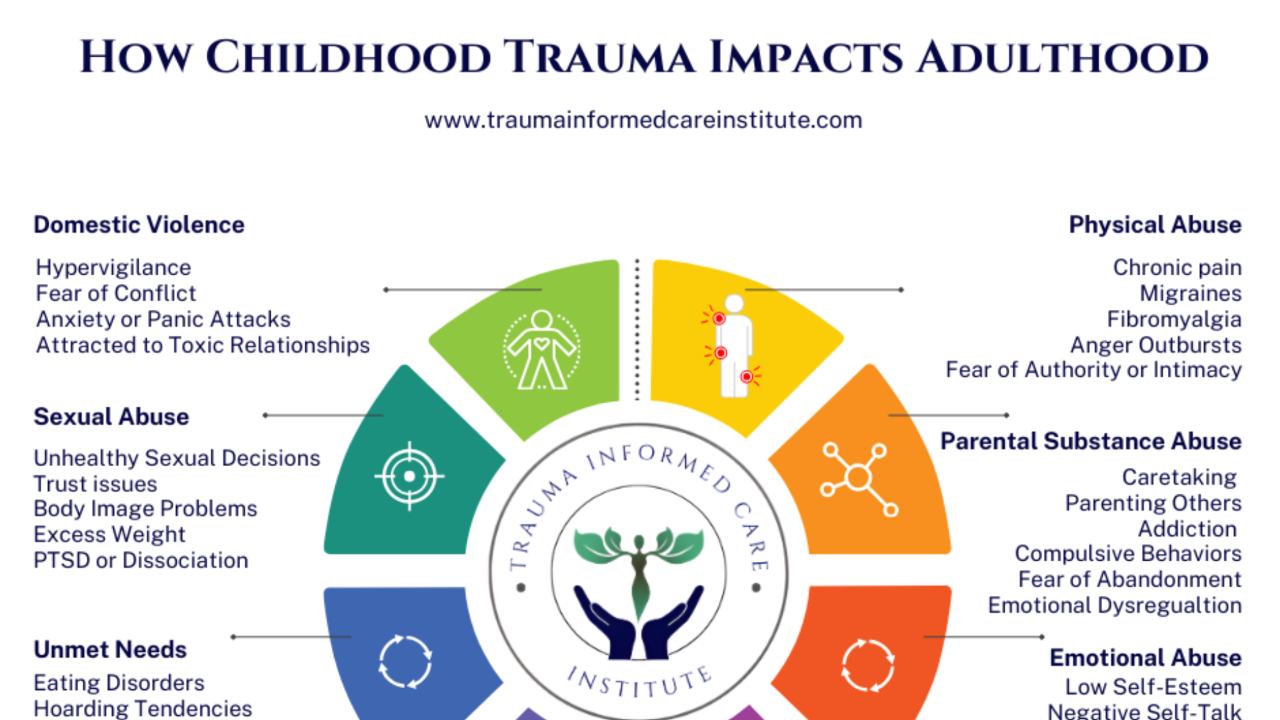
How Childhood Trauma Impacts Adulthood & What You Can Do About It
Have you ever wondered why certain patterns keep repeating in your life? Things like toxic relationships, chronic anxiety, or an...

Lisa Ramos
May 122 min read


Patient Compliance Through A Trauma-Informed Lens
Patient compliance, defined as the degree to which a patient correctly follows medical advice or treatment regimens, is a persistent challenge in healthcare. Traditional models of compliance often overlook the underlying psychosocial and historical factors affecting patients’ abilities to engage in care. A trauma-informed lens recognizes that past traumatic experiences can deeply influence present-day health behaviors, patient-provider relationships, and ultimately compliance

Lisa Ramos
Oct 176 min read


Understanding Burnout, Compassion Fatigue, and Emotional Exhaustion Among Trauma Therapists During Peak Seasons
Burnout, compassion fatigue, and secondary traumatic stress (STS) are related but distinct constructs that describe different responses to stress and trauma within therapeutic settings. Burnout is generally defined as a state of chronic workplace stress involving emotional exhaustion, depersonalization, and a reduced sense of personal accomplishment.

Lisa Ramos
Oct 912 min read


Understanding Trauma and the Power of Trauma-Informed Care: A Comprehensive Guide
Trauma is a profound disruption in someone’s sense of safety, typically following exposure to events that are physically or emotionally...

Lisa Ramos
Sep 306 min read


Why Trauma-Informed Care Is Important
Trauma-Informed Care (TIC) represents a profound transformation in the way healthcare, social services, and community systems engage with...

Lisa Ramos
Sep 295 min read


What Does Trauma-Informed Care Really Mean? Definition, Principles, and Practice
The definition of trauma-informed care goes beyond theory. According to SAMHSA trauma-informed care guidelines, the six principles of trauma-informed care emphasize safety, trust, and empowerment. Whether in healthcare, schools, coaching, or leadership, applying these trauma-informed care practices builds resilience and prevents re-traumatization. For many professionals, a certificate in trauma-informed care is becoming the gold standard for ethical, effective practice.

Lisa Ramos
Sep 17 min read


How to Identify and Navigate Your Trauma Triggers
Your unique life experiences significantly influence your triggers. Events such as abuse, neglect, or major life changes can leave lasting impressions. For example, studies show that 60% of adults experience at least one traumatic event in their lifetime, which can shape their emotional responses.

Lisa Ramos
May 75 min read


Understanding the Hidden Impact of Adverse Childhood Experiences on Lifelong Wellbeing
Shockingly, nearly two-thirds of adults in the United States report experiencing at least one ACE before they turned 18. This statistic reveals the widespread nature of childhood trauma and underscores the necessity to address its consequences. The effects of ACEs can follow individuals into adulthood, leading to a range of mental health problems, chronic conditions, and patterns of unhealthy behavior.

Lisa Ramos
May 74 min read


Understanding Trauma-Informed Care and Its Essential Role in Client Relationships
Trauma-informed care is a vital approach for any professional working directly with clients who have faced trauma. This framework not only builds strong relationships but also promotes healing and resilience. In this post, we will discuss what trauma-informed care is, its significance in client interactions, and how our trauma-informed certification course can enhance your skills in this area.

Lisa Ramos
May 74 min read


The Impact of Childhood Trauma on Adult Behavior
The influence of childhood trauma extends into various behavioral patterns and lifestyle choices. Adults may engage in self-destructive behaviors or risk-taking as a response to unresolved emotional pain.

Lisa Ramos
May 74 min read
bottom of page